

Where Collections Become Archives
Wisebird helps artists, cultural organizations, and institutions transform unprocessed collections into structured, accessible archives.

-
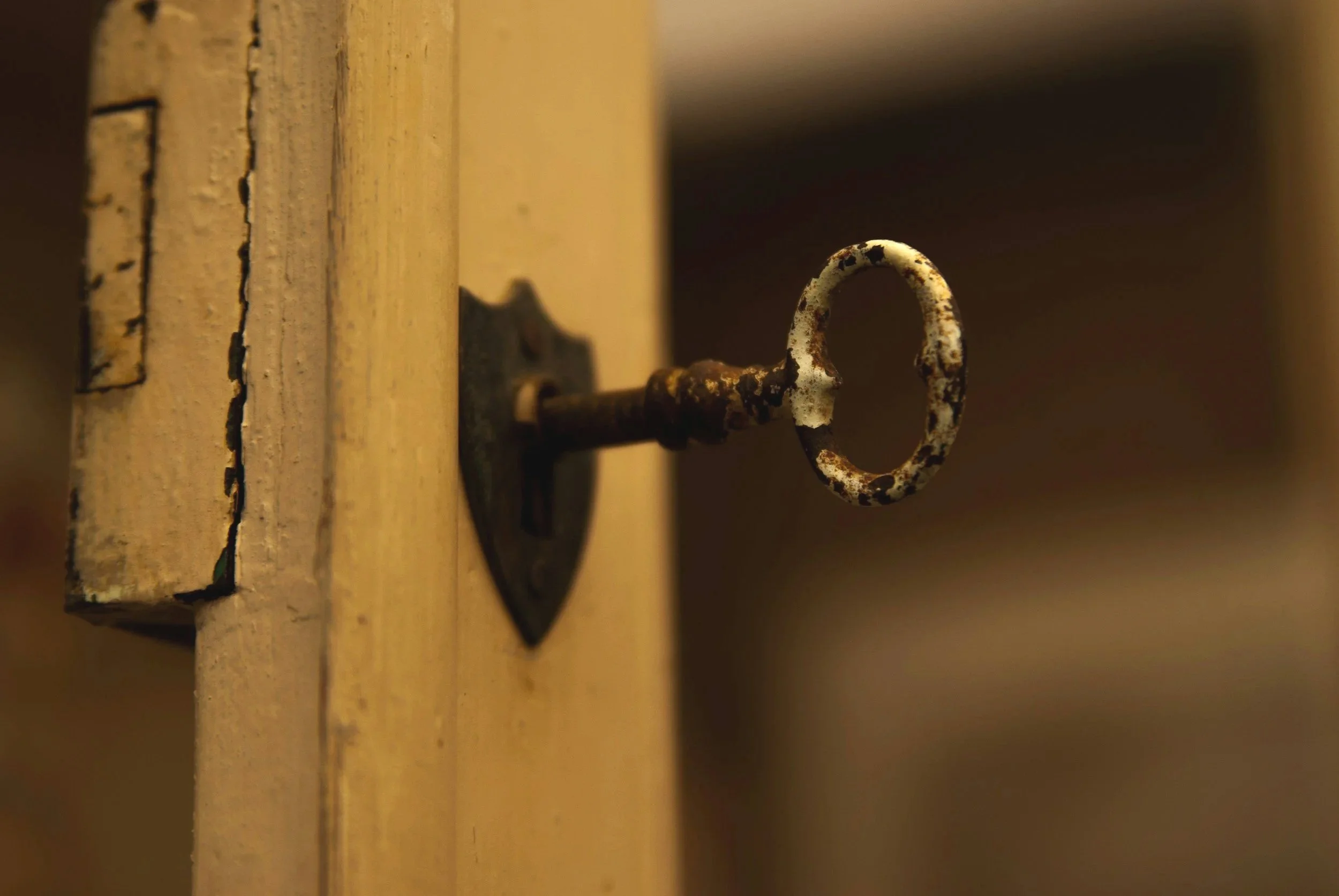
Archival Collection Assessment
A professional evaluation of a collection to identify preservation needs, organization strategies, and archival priorities.
-
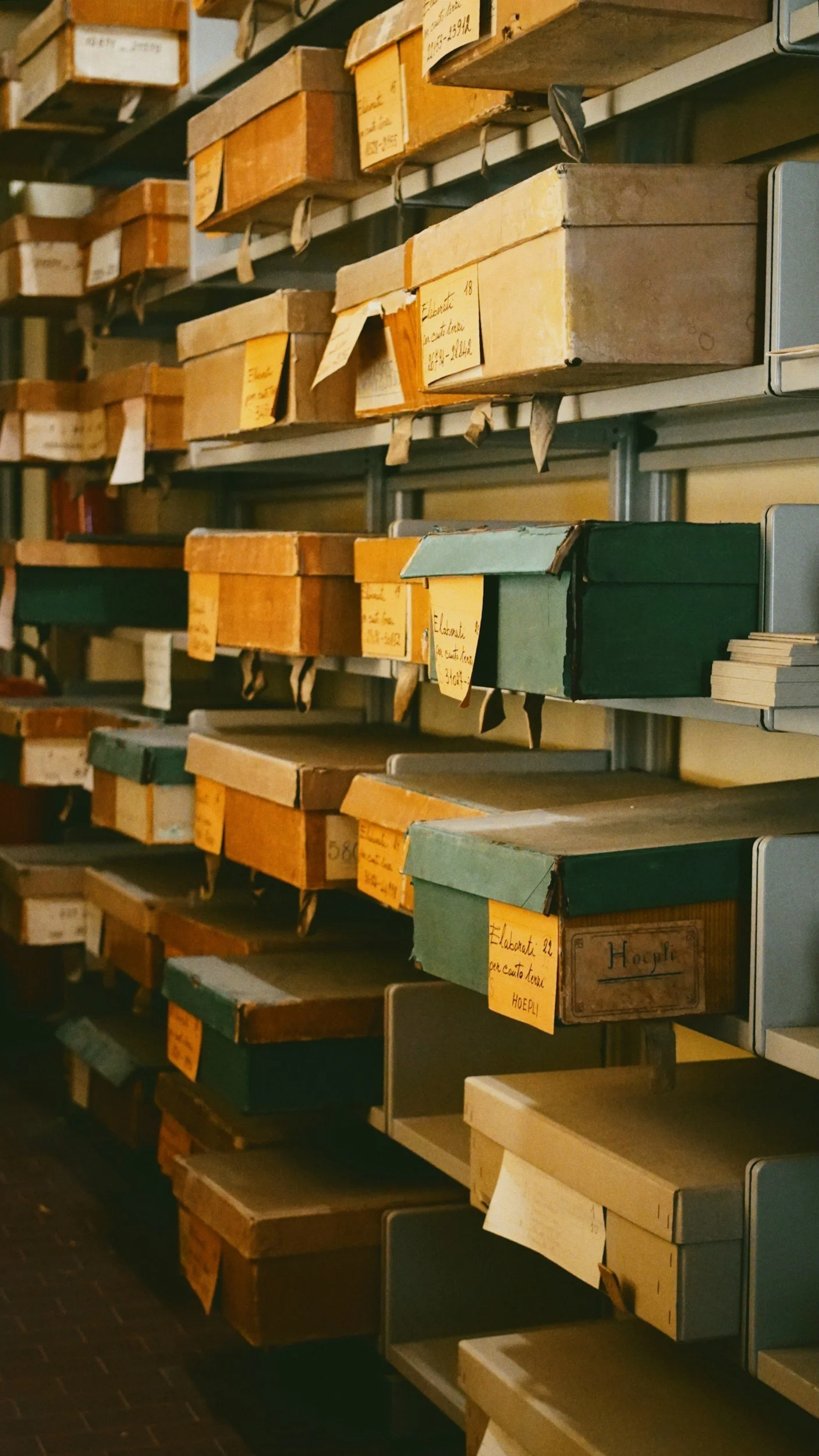
Collection Processing Roadmap
A strategic roadmap for organizing and managing archival materials, grounded in professional standards and designed for long-term sustainability.
-
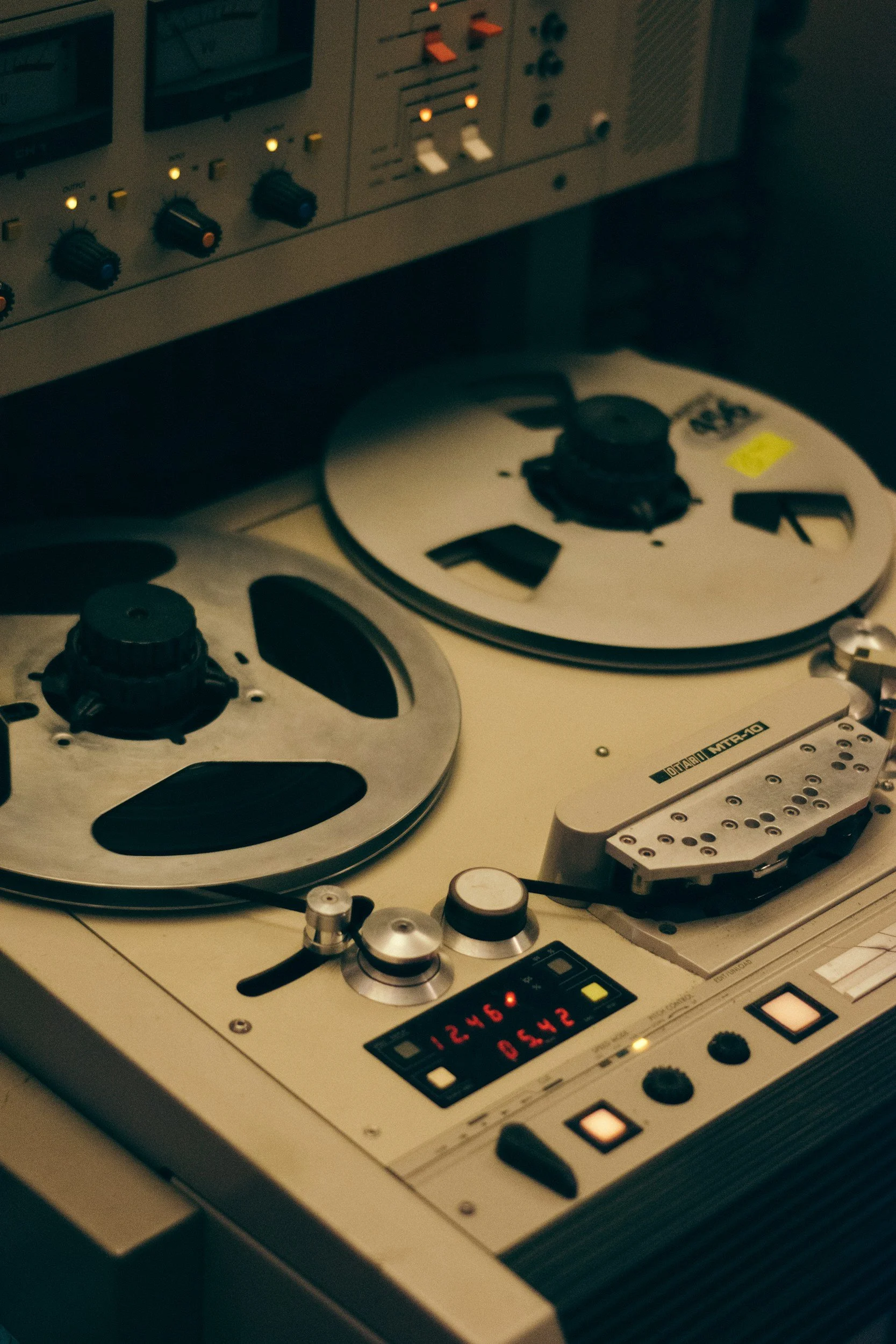
Digitization and Applied Metadata
Digitization of analog materials paired with structured metadata development to create a fully accessible and usable digital archive.
-
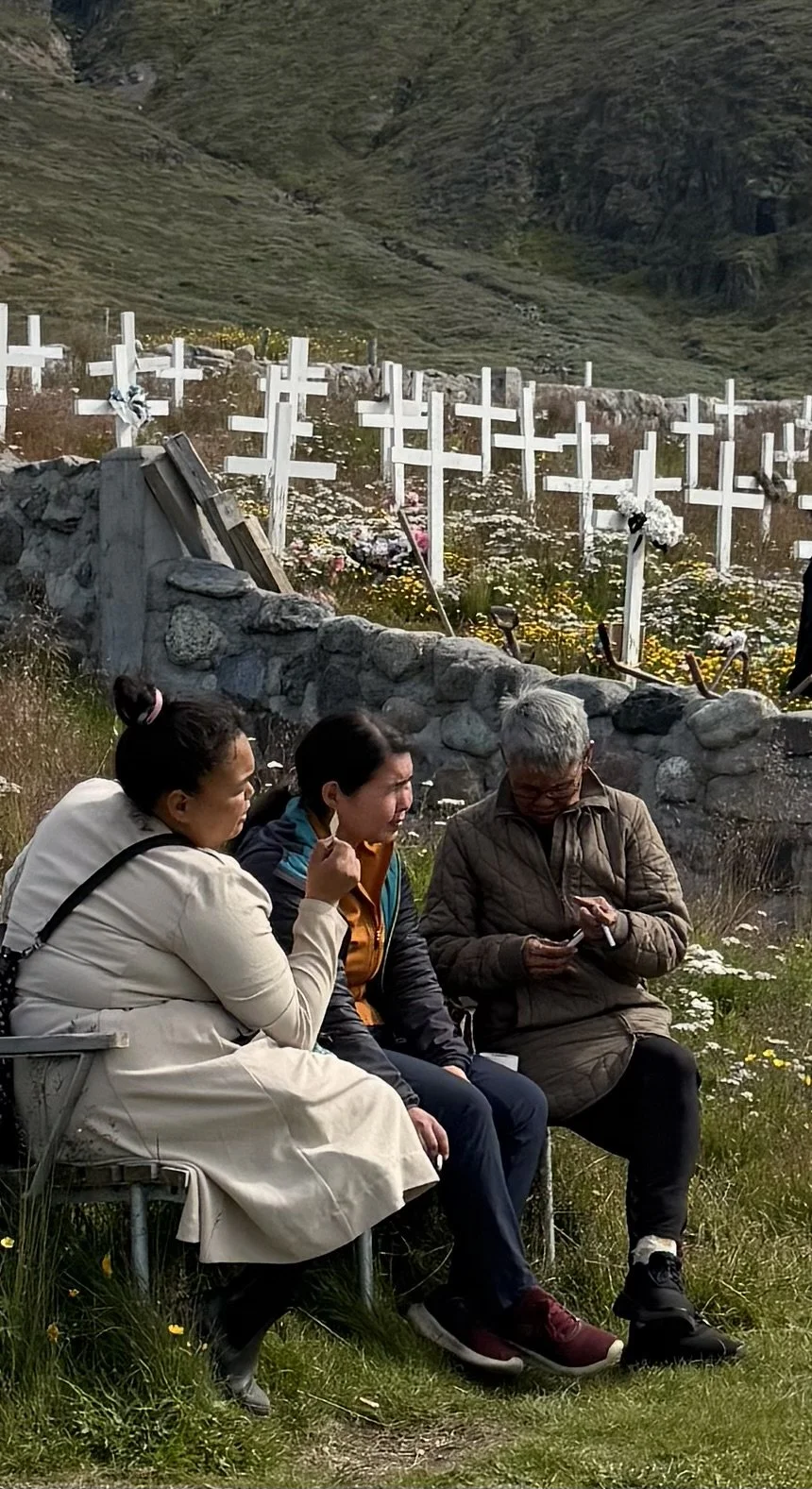
Archive Activation and Storytelling
Oral histories, documentary films, and storytelling initiatives developed from archival collections—grounded in structured research and historical context.
Why Archives Matter
Every career produces an archive — whether it’s preserved intentionally or left scattered across studios, storage units, hard drives, and boxes. Photographs, notebooks, contracts, correspondence, and creative materials accumulate over decades of work. Without structure, these materials become difficult to preserve, interpret, or access — limiting their long-term value.
Wisebird helps transform collections into organized archives that support preservation, research, storytelling, and future creative work.

About
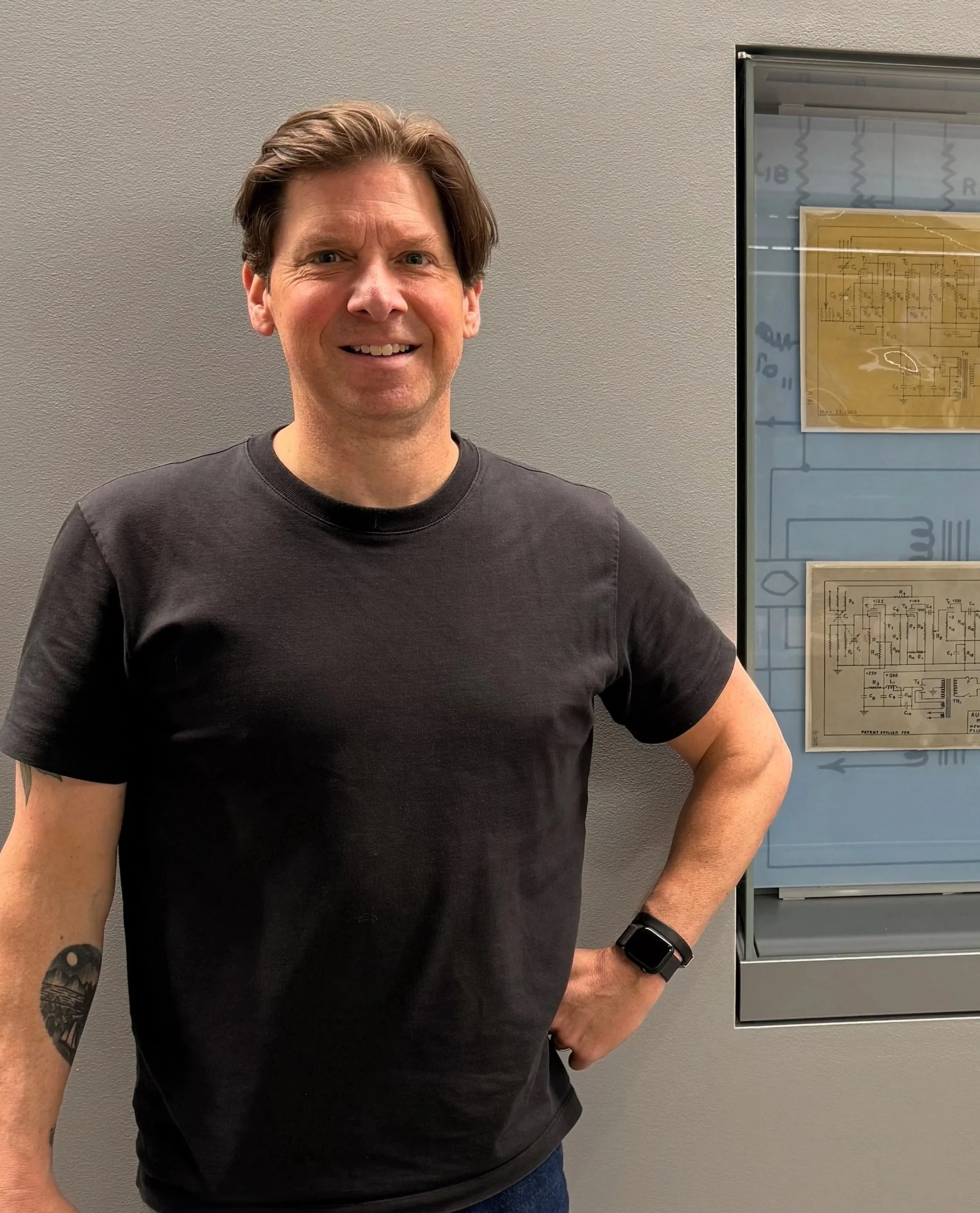
Daryl Faulkner | Founder
“An archive is where history becomes accessible.”
Daryl Faulkner is an archival strategist and cultural heritage advisor who helps artists, companies, and cultural organizations transform their collections into organized, accessible archives. His work focuses on assessing complex collections, developing archival roadmaps, and implementing processing and digitization programs that preserve decades of creative and institutional history.
Before founding Wisebird, Daryl served as an Account Director at Heritage Werks, where he partnered with Fortune 50 organizations and family estates to develop long-term archival strategies and activate historically significant collections. His work helped organizations move from scattered storage and unprocessed materials to structured archives that support research, storytelling, exhibitions, and brand heritage initiatives.
Earlier in his career, Daryl worked in the music industry with both independent and major record labels in roles spanning artist development, marketing, and partnerships. That experience continues to shape his approach today, particularly in his work with musicians, performers, and creative communities whose personal collections document important cultural moments.
Based in Portland, Oregon, he works with clients across North America to guide the long-term stewardship of legacy collections.